
Natural Soil Enrichment
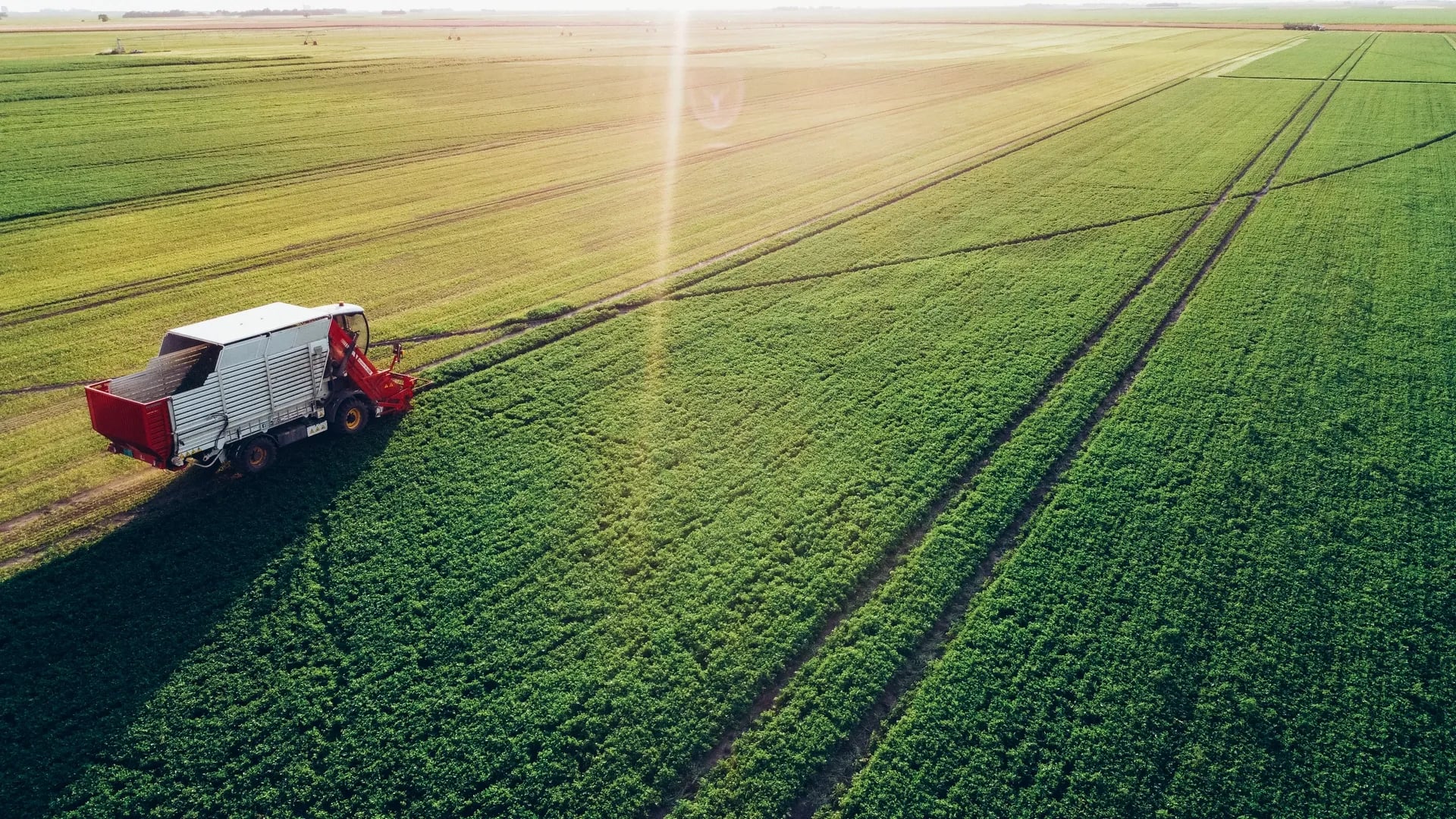
Over the past five years, Geneza has established itself as a pioneer in regenerative agriculture, with a strong focus on reducing the use of mineral fertilizers and returning to natural soil enrichment methods. At the heart of our approach is green fertilization through cover crops—such as spinach, rapeseed, and green peas—sown in autumn and incorporated into the soil in spring, before planting other kitchen herbs. We also apply organic chicken and sheep manure directly into the soil; for example, on some plots, we use 300–500 kg per hectare at sowing, complemented by fulvic and humic acid-based preparations. These combinations have consistently yielded excellent results.

Soil Health Monitoring
To monitor and evaluate our efforts, we conduct comprehensive annual soil analyses, examining pesticide residues, NPK levels, and organic matter content. On plots cultivated since 2017, humus levels have risen from an average of 3% to 3.5% by 2023—an important indicator of soil health improvement. Our agronomists also collect monthly samples to track soil biodiversity, monitoring worm and insect populations to ensure healthy, balanced ecosystems.
Agricultural Innovation
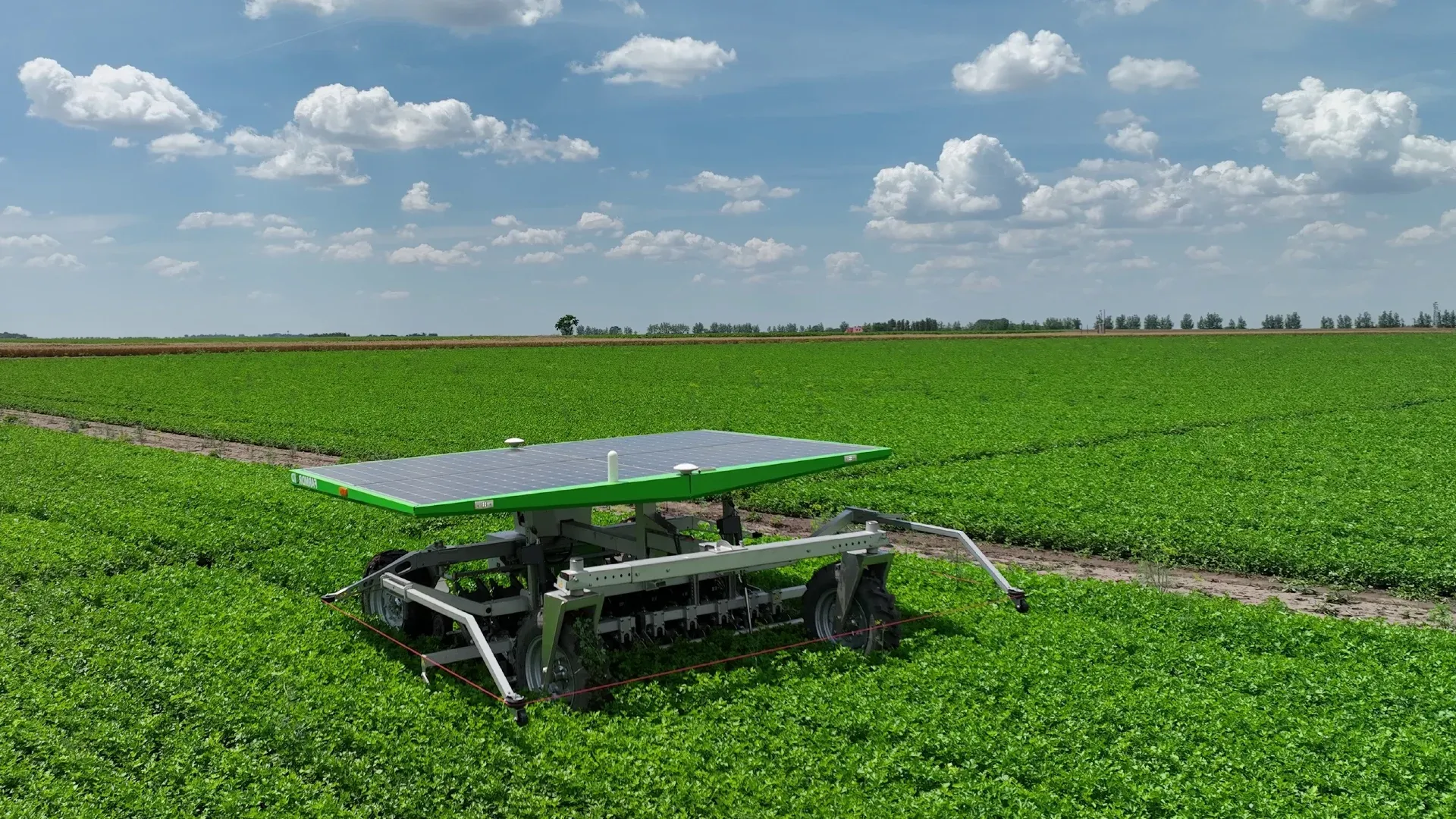
Innovation plays a key role in our strategy. We’ve integrated electric robots for sowing, mechanical weeding, and drones for mapping and precision treatment—allowing us to operate with a high level of accuracy while significantly reducing both carbon dioxide emissions and pesticide use.
Reduced Tillage Practices
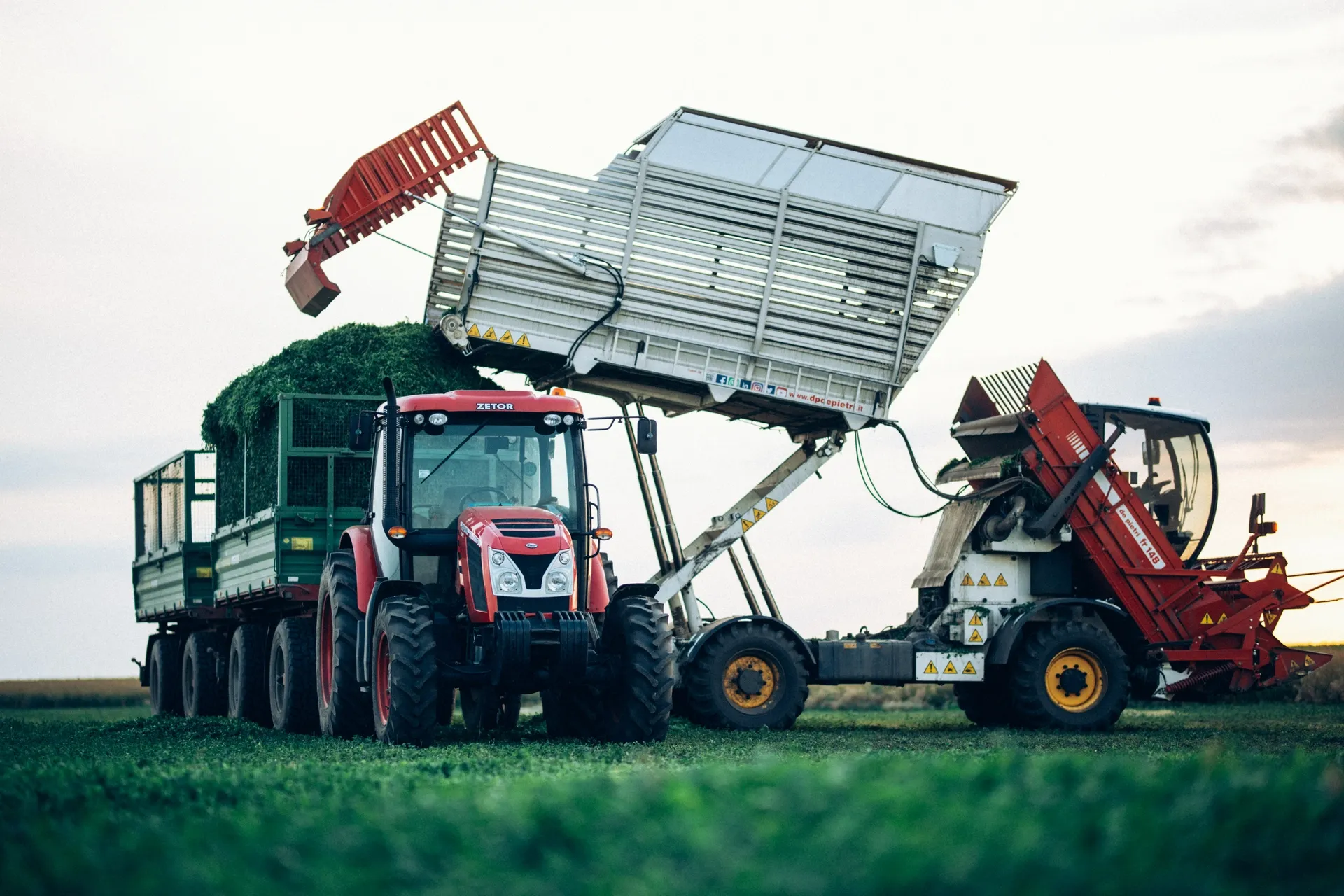
One of our most impactful practices has been the implementation of reduced tillage methods, including no-till and strip-till techniques. Instead of removing crop residues, we leave them on the field and treat them with microbiological agents that accelerate decomposition, recycling up to 30% of minerals and nutrients back into the soil. This is a cornerstone of our mission to reduce mineral fertilizers and prioritize green, natural alternatives.
Crop-Specific Techniques
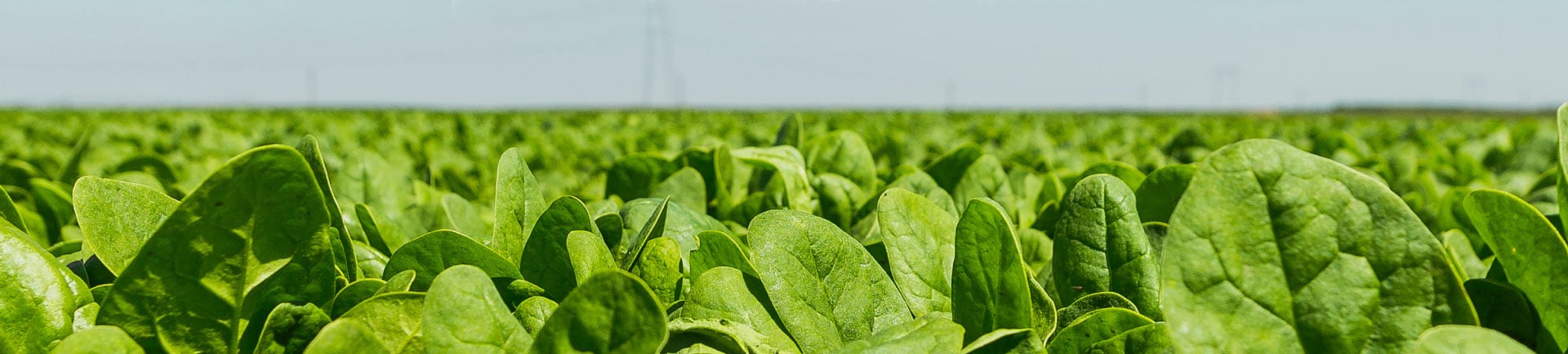
Different crops demand different techniques. For instance, reduced tillage works well for spinach and dill, using equipment like chisel plows or short disc harrows. Parsley, however, requires more precise methods due to its small seeds and long germination period of 3–5 weeks. Here, modern robotic machinery enables precise sowing and optimal germination conditions.
Biodiversity Enhancement
Beyond cultivation, we are committed to enhancing biodiversity and promoting sustainable land management. Our initiative includes planting more than 2,000 native trees and shrubs, creating natural habitats and improving species diversity. These efforts help maintain a healthy micro-climate, support biotope creation, and contribute to ecological balance.
Efficient Irrigation
To support young plant growth, especially in their critical first and second years, we’ve installed a modern irrigation system. This ensures high survival rates while minimizing pressure on local water resources.
Sustainable Inspiration
At Geneza, we aim to be a catalyst for change, not only improving biodiversity on our own fields but also inspiring producers locally and globally to reconsider their farming practices. By sharing our experiences and setting practical examples, we hope to build awareness and promote sustainable agriculture as the path toward a healthier, more resilient future for all.